
With a reputation for being swash-buckling, ruthless sea bandits, you’d be forgiven for thinking that pirates only existed in children’s stories. So, let’s find out more about these exciting and dangerous characters and the history behind them.
Are pirates real?
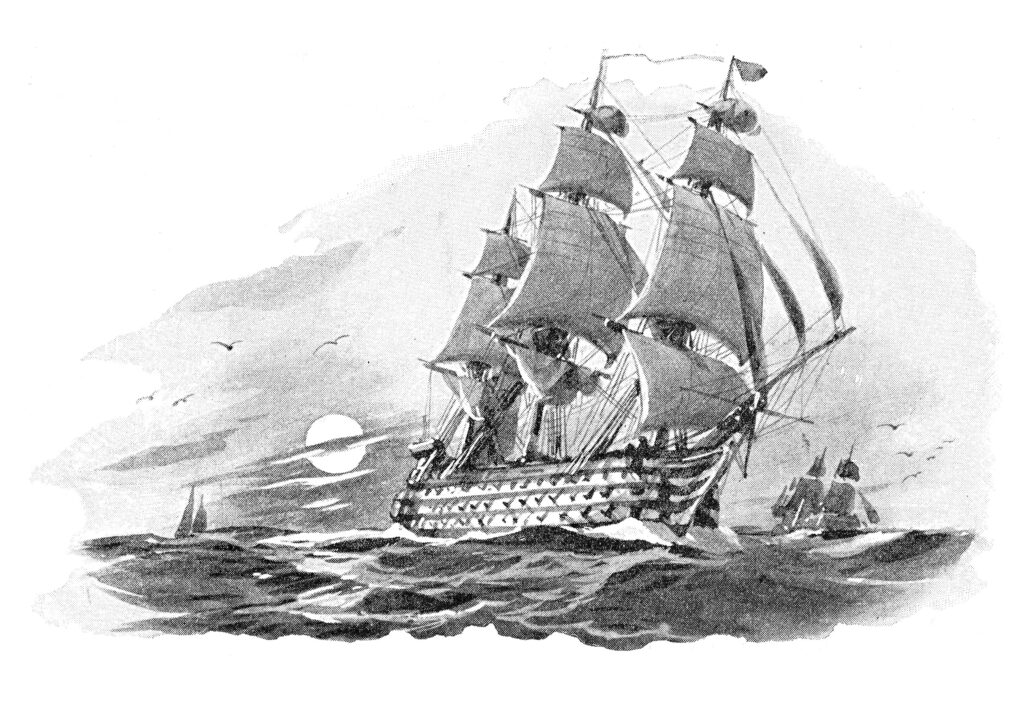
Pirates are indeed real, and they have been around for thousands of years. While there are some fictional pirates that you see in the films, like Jack Sparrow, there were some very real pirates that were well known throughout the 1600-1700s. This was a time known as the golden age of piracy, when activity was at its peak across areas like the Caribbean and east coast of North America.
What did pirates do?
Essentially, pirates operated by robbing other ships at sea, plundering merchant ships up and down the coast. Not only would they take the cargo on board, but they would commandeer the ship too.
They would steal anything that was in high demand and could sell fast in nearby ports, such as cocoa, sugar, tobacco, medicine and rum as well as gold and silver. This is because there was trade restrictions in Britain, driving a demand for certain items in the colonies.
Pirates would use all manner of different weapons to attack the ships and relieve them of their cargo, including cannons, muskets and swords.
Piracy vs privateering
While most pirates were acting illegally, there was such a thing as privateering. Privateers were essentially pirates that had government approval, authorising them to attack or capture enemy ships as a form of warfare. This helped governments to mobilise privately owned, armed ships to supplement their naval forces.
How does piracy relate to smuggling?
Both piracy and smuggling took place through the 17th century, with smuggling being a way of trading in goods without paying customs duties and taxes. Typically smugglers would choose secluded areas of the coastline to land their cargo, which would include the likes of salt, brandy, silks and tea.
While pirates and smuggling gangs had different roles, they were both essentially acquiring goods illegally across the sea! This is why the coastal towns were crucial for pirates and smugglers alike, with port towns like Rye, Winchelsea, Hastings and the Pembrokeshire area.
Why did pirates wear eye patches?
Many believed that the eye patches were to cover an eye injury or missing eye, but there was a strategy behind the distinctive look. It’s widely accepted now that by wearing the eye patch, pirates could have one eye adapted to the dark at all times. So, when they would go below deck, they would already have one eye adjusted to the change in light.
What did pirates eat?
As you can imagine, pirate ships in the 16th and 17th centuries weren’t exactly well equipped for storing lots of different types of food. Their diet would typically consist of dried or salted meat, bread and beer. They would also feast on anything they could catch on their travels too, which sometimes included turtle.
Scurvy became a well-known threat for sailors, and it often killed more people than battles or storms at sea. Scurvy is caused by a vitamin C deficiency, due to the poor diet on the ships.
Famous pirates throughout history
During the golden age of piracy there were a number of key players who eventually became notorious for their pirate activity. Blackbeard was possibly the most famous pirate of all, born in Bristol in the 1600s. While he might have a fairytale-sounding name, he was very real, born Edward Teach. He began as a privateer but soon began his own pillaging around the Caribbean.
Why did pirates have nicknames?
As you may have guessed, a number of pirates would go by nicknames instead of their real name, such as Black Bart who was really called Bartholomew Roberts. It was primarily so they could hide from the law, but the nicknames also became a way of intimidating other crews.
What is the Jolly Roger flag?
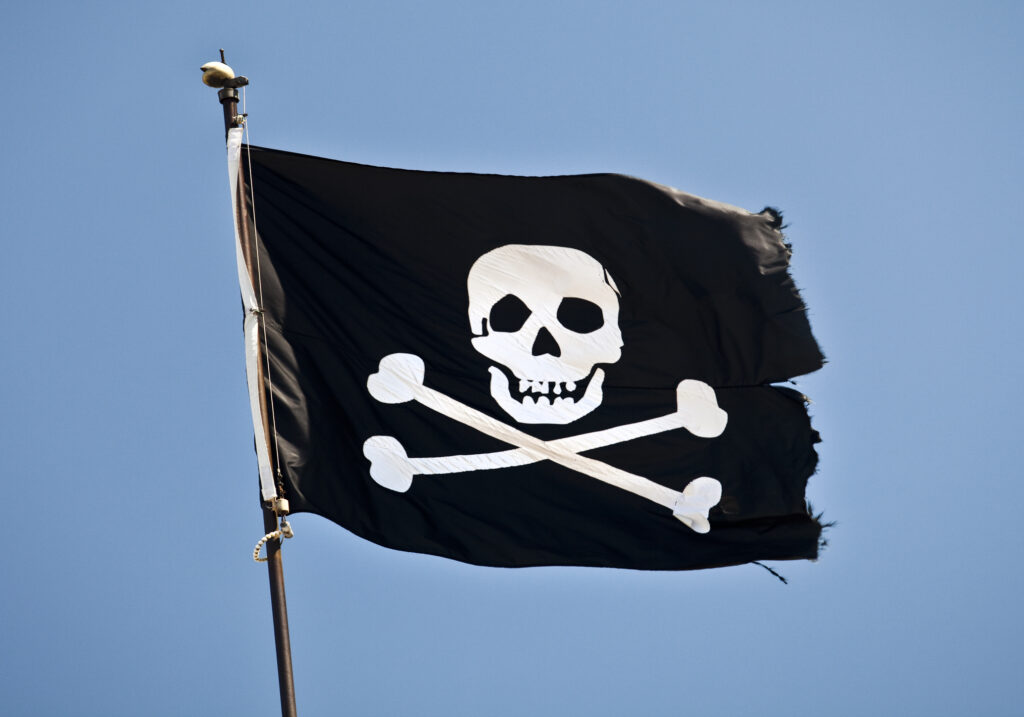
The Jolly Roger was another name for a pirate flag, easily recognisable due to its iconic skull and crossbones design. This identified a pirate ship, causing fear and intimidation in the hope that the ship would surrender before too much fighting occurred. In some cases, pirates would replace the Jolly Roger with the flag of the ship’s nation they were targeting. For instance, if they were trying to capture a French ship, they would fly the French flag. Then, they would swap it again for the Jolly Roger once they got close enough.
Do pirates still exist?
Unfortunately, pirates do still very much exist today but they do look slightly different to those that operated in the 17th century. Now known as modern piracy, it takes place across the world. These modern pirates will quickly board vessels and take control as quickly as possible, and will either kidnap the crew for ransom or steal the goods onboard.
Pirate myths vs facts
Here we’ll uncover some of the most common myths around pirates and find out whether they are really true!
Did pirates really bury treasure?
Pirates almost never buried their treasure, because typically they weren’t looking for the likes of gold and jewels. Instead, they sought after medicines, spices and wine, which would be very silly to bury! Pirates sold their loot instead of hiding it away.
Did pirates actually keep parrots?
This is thought to be true! There weren’t many types of animals that would be well suited to life on a ship, so a parrot was usually a good option.
Did pirates have hooks or peg legs?
Life at sea could be dangerous and it’s thought they were definitely sailors who had wooden legs or lost sight in an eye. However, having a hook for a hand is more likely a myth, popularised by fiction like Peter Pan.
Did pirates really say ‘arrr’?
While this isn’t strictly true, pirates did typically shout ‘yarrr’ or ‘arg’ when they were responding yes or expressing excitement. A lot of the stereotypical pirate speech that we think of today has probably come from fiction like Treasure Island.
Discover pirate and smuggling history at Smugglers Adventure
Want to learn even more about these fascinating yet fearsome characters? At Smugglers Adventure you can uncover the tales of Hastings’ most notorious outlaws. St Clement’s Caves have been around since 14,000 BC and are steeped in history. Find out more about Smugglers Adventure and book your tickets today!